Wednesday, 8 April 2020

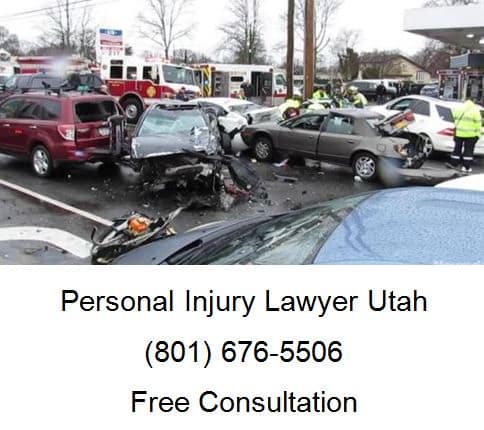
Utah Personal Injury Attorney

Utah Personal Injury Attorney

Why People Hire Utah Personal injury Attorney

• A thorough understanding of Utah law: There is likelihood that you will not know all the Utah law unless you have specialized legal training, including comparative fault, the consumer Fraud and Deceptive Business Practices Act, or the statute of limitations on a personal injury claim. An experienced Utah based auto accident lawyer will identify the legal issues and relevant laws related to your own accident and provide a good understanding of those laws as well as how they are applied within the local court system. By hiring an attorney who has the detailed knowledge as well as experience you need to recover from such accident, you don’t have to waste time on personal research.

• Help with the insurance claims process: So as to recover from an accident, you have to turn to either your insurance provider or that of the driver at fault. It may sound simple: you will file a claim for the injuries sustained. However, it is quite different in reality. The insurer may deny your claims if they believe you are at fault for the accident. An attorney understands the kind of information to provide so as to increase your chance of approval. A lawyer will also know the right step to take if your claim is denied and this is one of the reasons why most people hire them.

• An appropriate calculation of your damages: There is need for you to know the economic and non-economic damages incurred before filing an insurance claim or a personal injury lawsuit so as to ask for the reasonable amount of compensation. An auto accident attorney will ensure you missed nothing when adding up how much you are owed, as well as your future medical expenses, disability, pain and suffering, and disfigurement. Auto attorneys also have experience about how much your non-economic injury like mental anguish worth. Coming up with an amount yourself may be wrong because the amount may be too low.

• Experience in negotiating insurance settlements: Most insurance companies will offer a monetary settlement so as to avoid a lawsuit and to get rid of the claim as soon as possible. Most of the time, they offer a relatively small amount because they don’t want to pay more than necessary. An auto accident attorney will recognize a low offer and will not accept such an amount. An auto lawyer is highly trained in negotiating tactics and will be able to use his or her years of experience to your advantage.

• Proper representation in court: Sometimes negotiation may not be successful, reason being that the insurance settlement policy is too low to cover all your damages. In such scenario where settlement is impossible, your attorney will represent your interest in court to seek compensation through a jury award.

What Is The Role Of A Personal Injury Attorney?

Personal Injury Attorney are civil litigators who represent clients commonly referred to as plaintiffs alleging psychological or physical injury as result of negligence or careless acts by another person, company, entity, government agency or organization. Personal Injury Attorney practice in an area known as tort law. This area of law specializes in civic or private wrongs or injuries, monetary or nonmonetary damages. This includes defamation and actions of bad faith or breach of contract to a person’s reputation, rights or property. Although personal Injury Attorney are armed with licenses to practice in all facets of law, they usually handle cases falling within tort law, such as work injuries, flawed products, accidents caused by slips and falls, road accidents and other related accidents. Personal injury attorney help their clients secure compensation for losses incurred. These losses include the loss of capacity to earn, inability to perform normal duties, suffering, and pain. They also include expenses that may arise, the loss of companionship, legal costs, emotional distress and attorney fees.

The attorney will ensure clients are safe from being victimized by companies that offer insurance and the established legal system. Personal injury lawyers are often referred to as trial lawyers, although most of their cases are settled before going for a full trial. Personal injury attorney have many duties in aiding their clients. These duties include both ethical and professional codes of conduct and rules provided for by the associations that license the lawyers. Once the state bar association licenses them to practice law, the lawyers can file complaints in court, argue cases, prepare legal documents and offer professional legal advice to plaintiffs of personal injury. Personal injury attorney have the sole responsibility for talking to and interviewing clients and assessing their cases. They further identify the pertinent issues within the client’s case, and thereafter conduct research to build a solid case. The most important professional mandate of a personal injury attorney is to help clients obtain the compensation and justice they deserve after undergoing losses and suffering. This is done through client counselling, advocacy, legal advice and oral arguments. The case normally heads for trial when both parties fail to reach an amicable settlement. Personal injury attorney are expected to follow strict set principles of legal ethics when executing their mandate with clients. While the specified guidelines vary from state to state, each lawyer is expected to evaluate legal issues while exercising due diligence in any legal matter commenced. They owe plaintiffs the onus of confidentiality and allegiance as they work to protect their client’s best interests and not their own.

Reasons to Hire an Experienced Personal Injury Attorney

The fibreglass has barely dried on your cast when you are bombarded with requests and paperwork from doctors, law enforcement, and insurance companies. You’re confused and overwhelmed by all the questions about your accident. No one, however, seems able to provide the information most important to you. If you’ve been hurt in an accident, a personal injury attorney can help you with what to do next.

Here are ten reasons to hire an experienced personal injury attorney.

• Experience Assessing Claims: Personal injury attorneys are experienced with cases like yours and can tell you at the beginning whether it is worth it to pursue legal action. If you are unlikely to win your case, you can avoid the time and expense of preparing for litigation.

• No Fees if You Don’t Recover: Most personal injury attorneys work for a contingency fee, which means that if you do not win your case, you will not pay attorneys’ fees. You are, however, responsible for certain expenses not directly related to an attorney’s services, such as the fees doctors charge for reviewing your records or being interviewed.

• Red Tape: Complicated legal procedures, confusing medical terms, and lots and lots of paperwork are common in personal injury cases. An experienced attorney can work through the maze of paperwork necessary to resolve your claim so that you can get on with your life. When you meet with an attorney, he or she will ask you to provide documents you have relating to your injury.

• Investigative Team: Usually, attorneys work with a team of investigators who have experience in specialized areas and will skillfully examine the technical aspects of your case. You can help the investigative team by providing important information about your injury.

• Objectivity: Anger, pain, frustration, and fear may impact your ability to see the facts clearly. An attorney can be more objective about your case than you and will not make a rash decision. For example, you may be tempted to go for a quick payout, but your attorney may advise you that it is in your best interests to wait for a more appropriate offer.

• Alternative Dispute Resolution: Lengthy and complicated trials are not always necessary to resolve a case. An experienced attorney will know whether your case may be best worked out using alternative dispute resolution methods (ADR), thereby saving you time, money, and emotional energy. Common examples of ADR are mediation and arbitration.

• Experience Working With Other Lawyers: An experienced personal injury lawyer can deal most effectively and quickly with the other side’s attorney. This is particularly important during the fact-finding part of the litigation when parties are required to exchange facts and documents.

• Experience With Insurance Companies: Personal injury lawyers are used to working with insurance companies and will not be confused by their tactics or feel pressured to settle for an unsatisfactory amount.

• Best Settlements: Many personal injury cases are resolved by a negotiated settlement instead of trial. Generally, a settlement means the plaintiff will give up the right to sue in exchange for a payment from the defendant or an insurance company. A personal injury attorney will negotiate a settlement on behalf of a client and try to resolve the case as early as possible.

• Best Jury Verdicts: If a trial is necessary, a personal injury lawyer can zealously represent you in court and work toward achieving the best possible jury verdict in your favour. He or she will develop a legal strategy designed to help get you any and all compensation available for your injuries.

What a Personal Injury Attorney Does

Attorneys who specialize in this area handle cases from inception through appeal. They perform tasks similar to most litigators. They investigate claims and screen potential clients to evaluate the merits of their cases. They gather evidence, formulate legal theories, and research case law. The job involves drafting pleadings, motions, and discovery requests, as well as interviewing and deposing witnesses. All these tasks contribute to trial preparation, but the job doesn’t end there. Personal injury lawyers advocate for their clients before and during the trial. This can include counselling them as well as dealing with obstacles in the legal system and presented by their adversaries. Personal injury attorneys often juggle large caseloads and work on tight deadlines with sometimes demanding clients. But many lawyers find that the most rewarding aspect of personal injury practice is helping injured victims and their families receive justice. Personal injury lawsuits can be extremely complex, so these attorneys often specialize in certain niche types of cases. For example, someone who handles medical malpractice might specialize in breach births. Those who routinely litigate motor vehicle accidents might specialize in ATV rollover incidents.

Personal Injury Forms

When you work with a personal injury lawyer, you will be required to fill out numerous forms and provide certain medical and personal information, such as past hospitalizations and specific effects of the injuries. The most common is the “intake form” typically given at your first attorney meeting, which starts the information gathering process and helps the attorney decide how to proceed with your claim. Additionally, you will be required to fill out a billing agreement with your lawyer. Getting started early will help you save time (and billable hours), while helping your attorney prepare your claim in the most efficient and comprehensive manner possible. The following sample intake forms, worksheets, questionnaires, and other materials will help you get organized and better informed before you step foot in a lawyer’s office.

Accident and Injury Law

• Documents to Show Your Attorney: Illness & Hospitalization – When meeting with your attorney to discuss a medical malpractice case or a claim against a health care provider, you may be asked to provide some or all of the information described on this list.

• Checklist: Information and Documents to Collect for Your Lawyer after an Injury – This checklist of documents and other important information that may be relevant to your injury case and requested by your attorney will help you and your attorney get organized.

• Sample Form: Retainer and Contingency Agreement For a Personal Injury Case – Your attorney will ask you to sign a fee agreement after you agree to work together; this sample retainer and contingency agreement will help you know what to expect. Medical Records Release – In order to assess your legal claim, you will probably need to release your medical records to your attorney for review.

• Intake Form: Airline Personal Injuries – Sample intake form for claims involving injuries or deaths on airplanes, with spaces for additional questions you may have for your attorney (print this form and fill out before your first meeting).

• Intake Form: Defamation or Slander – Sample intake form specific to defamation claims, which include libel (written defamation) and slander (spoken or broadcast defamation).

• Intake Form: Illness & Hospitalization – If your claim is related to a medical issue, filling out this form will help your attorney better prepare your case.

• Intake Questionnaire: Injury – A sample attorney intake form for general injury claims, such as car accidents, assault and battery, slip and fall accidents, and medical malpractice.

• Intake Form: Invasion of Privacy – Invasion of privacy claims are notoriously difficult to prove, but this intake form will help you organize your thoughts and gather the pertinent information.

• Quiz: Emotional Distress – Emotional distress means different things to different people, but this quiz will help you learn what emotional distress means from a liability standpoint.

• Worksheet: Damage Estimate – Worksheet to help you list and tabulate the actual damages you may claim for an injury claim, including immediate medical costs and future expenditures.

• Questionnaire: When You Are injured By a Defective Product – Questionnaire to help you organize your thoughts before filing a defective product claim.

A personal injury lawyer helps individuals who have sustained injuries in accidents to recover financial compensation. These funds are often needed to pay for medical treatment, make up for lost wages, pain and suffering, and provide compensation for injuries suffered. Personal injury attorneys specialize in tort law, which covers all civil litigation for injuries or wrongdoings resulting from negligence. The main goal of personal injury lawyers who practice tort law is to make their client (the injured “plaintiff”) whole again and discourage others from committing a similar offense. Common examples of personal injury practice areas include motor vehicle accidents, slip and fall accidents, defective products, workplace injuries and medical malpractice.

Types of Personal Injuries

Personal injury claims are made in a civil court. This is different than most of the court cases we see in movies and TV shows, which feature a criminal court. In criminal cases, the state brings forward a case against the alleged perpetrator of the crime, in order to determine if they are guilty or not guilty. The state asks the court to provide punishment for the criminal based on their unlawful acts. It is important to be aware that civil court is quite different from criminal court. In civil law for personal injury, the individual who has been injured sues the responsible party and a case is made against the person or organization who is blamed for the injury. The injured party asks for a monetary award to compensate them for their losses. Although money cannot bring back someone’s health after an injury, or fully restore someone’s reputation after being slandered, it can pay for medical care or lost wages. “Pain and suffering” monetary awards will compensate the injured party to some extent, but they are not specifically designed to punish the responsible party. The legal question to be considered in a personal injury case is whether or not the defendant is actually responsible for causing injury to the aggrieved party. If you have been injured, it is important to determine if you have been injured wrongly. If a person or a business is in any way responsible for your injury, you could decide that a legal claim for damages is appropriate. Be certain to discuss your situation with a personal injury lawyer, such as those at Ascent Law LLC, in order to understand your options. Not every injury is wrongful, and not every personal injury will be legally compensated.

Utah Personal Injury Attorney Free Consultation

When you need a Utah Personal Injury Attorney, please call Ascent Law LLC for your free consultation (801) 676-5506. We want to help you.

Michael R. Anderson, JD

Ascent Law LLC
8833 S. Redwood Road, Suite C
West Jordan, Utah
84088 United States

Telephone: (801) 676-5506

Source: https://www.ascentlawfirm.com/utah-personal-injury-attorney/

Foreclosure Lawyer West Jordan Utah

Foreclosure Lawyer West Jordan Utah

If you are facing foreclosure because you cannot afford the high payments, speak to an experienced West Jordan Utah foreclosure lawyer. You may be a victim of mortgage fraud.

According to the FBI, “mortgage fraud is defined as the intentional misstatement, misrepresentation, or omission by an applicant or other interested parties, relied on by a lender or underwriter to provide funding for, to purchase, or to insure a mortgage loan.” Mortgage fraud has been traditionally viewed by researchers, government authorities, and industry organizations as either fraud for property or fraud for profit.

Between the two forms of mortgage fraud, fraud for profit schemes “is of most concern to law enforcement and the mortgage industry” (ibid). These schemes are usually made up of fraudsters who are mortgage professionals and have extensive knowledge or experience in the mortgage/real estate industry. The problem, according to the FBI, was that fraud for profit schemes could be so damaging as to have devastating implications for the entire U.S. economy. There are various types of mortgage fraud, that include overinflated appraisals, fictitious financial statements, schemes that involve straw buyers, and foreclosure prevention fraud.

Predatory Lending vs. Mortgage Fraud

The thin line between predatory lending and criminal fraud can be very difficult to distinguish. Various acts of predatory lending can easily cross the line into outright criminal conduct and as a result, it is an important part of our analysis. With regard to mortgage fraud, “a lending institution is deliberately deceived by an actor in the real estate purchase or mortgage origination process”—such as a borrower, broker, appraiser or one of its own employees—into funding a mortgage it would not otherwise have funded, had all the facts been known Predatory lending on the other hand, according to the Mortgage Bankers Association (MBA), refers to unethical and detrimental lending practices to borrowers, “including equity stripping and lending based solely on the foreclosure value of the property. Some of these practices can be fraudulent, but defining an exact set of predatory lending practices has been difficult” A joint study by the South Carolina Appleseed Legal Justice Center and the Center for Responsible Lending (2003) found that, while predatory lending was not considered illegal in many states, the practice could be extremely harmful to the borrower since predatory lenders rarely ever considered the ability of their client to repay the loan. Predatory lending practices can be financially or racially motivated and can be very costly to an unsuspecting borrower. For example, borrowers may unknowingly be steered into a subprime mortgage when they qualify for a prime mortgage. Mortgage lenders, for example, may convince borrowers to obtain mortgages with attractive introductory terms and conditions under the guise that such conditions are fixed throughout the term of the loan.

Predatory lending also involves deliberate deception by mortgage professionals. In general, predatory lending includes charging excessive fees, steering borrowers into bad loans, which net higher profits, and abusing yield-spread premiums.

While predatory lending is harmful and widespread, it is mostly legal. Yet, under certain circumstances, the commission of predatory lending practices may easily cross the legal threshold and become criminal conduct. A mortgage broker who steers his client into a higher cost mortgage loan may at the time same time intentionally overstate financial information in order to qualify the client.

The majority of mortgage loans are originated by third party brokers and financial lenders. Once mortgages are originated and funded, financial lenders quickly package the mortgages and sell them to the secondary mortgage market where they are turned into securities and sold worldwide. The old days of a single bank owning, originating, funding, and serving a mortgage are long gone. The process of a obtaining a mortgage, which starts with the application of the loan and ends with the funding of the loan, has thus become much more complicated and involves many different agents and agencies. Breaking down the major actors, components, and stages of the loan origination process allows for a more precise understanding of the complicated and convoluted nature of the mortgage industry. The process of qualifying a borrower to obtain and complete a mortgage transaction involves many different stages.

What is Subprime Lending/Subprime Loans?

There are major differences between subprime and prime lending and understanding the concept and practice of subprime lending is an important aspect of this study. The practice of providing credit to borrowers with less than par or lower than average credit worthiness is known as subprime lending. Subprime lending involves various forms of credit including credit cards, auto loans, and mortgages. Several defining factors delineate a prime loan versus a subprime loan. The first is the credit risk of the borrower. Borrowers of subprime loans tend to have a higher risk of default.

The high credit risks posed by borrowers of subprime loans usually translate into higher fees and interest rates charged by the lender, which is the second delineating factor between prime and subprime loans. The fees and interest rates charged by the lender usually equate to higher monthly payments and upfront costs. Since the 1990s, interest rates on subprime loans have been approximately 2 percent higher than the average prime rate. Despite the higher costs associated with obtaining a subprime loan, borrowers usually have no other option.

Compared to the prime mortgage industry, subprime lending is characterized as having low standards of underwriting. The unprecedented growth of the subprime lending industry since the 1990s and the intense competition that ensued resulted in mortgage products for which anyone could qualify. If the borrower had a bankruptcy, a judgment, a foreclosure, or bad credit history, there would be a subprime loan available. The costs the borrower would have to pay for the mortgage, however, would be much higher in terms of fees and interest related charges. As the number of new financial lenders grew, so did the level of competition; banks were offering more non-traditional and exotic loans to subprime borrowers.

There was a general push by the federal government, private organizations, and the banking industry to increase the homeownership rate among minority families. Coupled with low interest rates and the introduction of new alternative mortgage products that contained attractive introductory incentives, the housing industry experienced tremendous growth, especially among the subprime lending sector.

The competitive environment of the subprime lending industry also led to the decline in qualification standards. Loans were handed out like candy on Halloween. When a financial lender offered a new promotional loan product primarily based on no proof of income required, a competitive lender would immediately introduce a loan that was easier to qualify, such as a no proof of income and employment history required. In order to stay competitive, lenders had to offer more attractive financial products for that were easier to qualify for. A popular mortgage product, for example, was the combo loan, which allowed borrowers to avoid purchasing mortgage insurance. The combo loan product offered the borrower two mortgages that combined, was 100 percent of the home’s value. Borrowers could purchase a home without putting a penny as down payment.

Subprime lending is a very recent phenomenon. Three decades ago, individuals with poor credit histories would have been denied credit but a several major federal deregulatory moves, beginning in the 1980s, changed all of this and set the stage for what we now know as subprime lending. At the same time, these deregulatory moves also opened the door to creative financing and intense competition in the lending industry, which altogether, created ripe conditions for irresponsible lending and outright fraud.

The process of financial deregulation that loosened banking and commerce restrictions and regulations began in the early 1980s. The deregulation fervor of the early Reagan administration was contagious and “gained widespread political acceptance as a solution to the rapidly escalating savings and loan crisis”. However, the financial legislation that was to follow would completely dismantle the regulatory infrastructure that kept the thrift industry under control for four decades prior. With several strokes of a pen, the financial industry completely changed. New and innovative products and lending practices grew from increased market competition and the desire to increase profits. Deregulation was seen by the Reagan administration and by many economists as the panacea to large government.

The Depository Institutions Deregulatory and Monetary Control Act (DIDMCA) profoundly altered the rules of the banking industry. One of the major changes included the creation of the Depository Institutions Deregulation Committee. The primary task of this committee was to phase out all usury controls, or caps on interest rates. Prior to that time, individuals with poor credit would have been denied credit but the DIDMCA “eliminated all interest rate caps on first-lien mortgage rates, permitting lenders to charge higher interest rates to borrowers who pose elevated credit risks, including those with weaker or less certain credit histories”. This deregulatory move also invited loosely regulated or unregulated institutions into the loan industry, which targeted borrowers who had credit problems. Subprime borrowers became unfortunate victims of the unregulated free enterprise system and became the prey of financial institutions who charged exorbitant fees and interest rates for basic loans. Similar to the Community and Reinvestment Act (CRA), the passage of the DIDMCA involved political motives, which subsequently resulted in disastrous consequences.

The 1982 Garn-St. Germain Depository Institutions Act, passed by Congress, was considered by many to be a primary cause of the savings and loans crisis. This legislation further loosened lending restrictions by preempting state law that restricted financial institutions from lending only conventional loans. It gave banks the authority to lend non-conventional mortgages, which greatly altered the landscape of the lending industry. Title VIII of the Garn-St Germain Act, cited as The Alternative Mortgage Transactions Parity Act of 1982 (AMPTA), provided authority to lending institutions to offer exotic mortgages that included:

• Interest-only mortgages
• Balloon-payment mortgages
• Negative-Amortization mortgage
• No documentation/low documentation or “stated” mortgages
• No down payment/100 percent financing mortgages

The Garn-St Germain Depository Institutions Act also gave banks the ability to charge their borrowers adjustable interest rates. Bank sanctioned ARM’s were intended to address the problem of asset-liability mismatches, a financial problem banks encountered when their liabilities did not correspond with profits earned from long term, low-interest rate mortgages. This major piece of deregulation was intended to strengthen the financial industry by reducing its susceptibility to changes in the financial market. The purpose of the act was “to revitalize the housing industry by strengthening the financial stability of home mortgage lending institutions and ensuring the availability of home mortgage loans”.

Other instrumental legislation included the 1977 Community and Reinvestment Act (CRA), which was signed into law by President Jimmy Carter. The CRA was intended to address a growing concern regarding the deterioration of urban cities, particularly low-income and minority cities in the U.S. Prior to the passage of the CRA, minority communities were often denied access to credit based on discriminatory practices such as redlining and steering. The passage of the act was intended to reduce discrimination in the credit and housing industry by giving financial institutions incentives to “make loans to lowand moderate-income borrowers or areas, an unknown but possibly significant portion of which were subprime loans”. The purpose of this legislation was to ensure that banks and thrifts would expand credit opportunities to a wider population, including homeownership and business opportunities to non-wealthy populations from lower income communities. The CRA was a product of a grassroots effort to provide affordable housing to minority communities.

The law has been modified twice in order to meet the increased monitoring requirements and needs of communities. It is important to note that the CRA set in motion the practice of subprime lending, but only among financial institutions that are federally regulated. The subprime mortgage lending industry that later emerged from the financial deregulations that took place during the 1980s (DIDMCA and the Garn-St Germain Depository Institutions Act) was not subject to the regulations of the CRA.
While these legislative plans set the stage for subprime lending, it was not until 1986 that real estate became widely viewed as a great investment. The demand for mortgage debt greatly increased after the passage of the Tax Reform Act of 1986 (100 Stat. 2085, 26 U.S.C.A. §§ 47, 1042), which prohibited tax deductions of interest on consumer loans, but allowed interest deductions on mortgages for primary residences as well as one additional home. The passage of this law gave consumers an incentive to obtain real estate to borrow against rather than using consumer credit. The combination of low interest rates in the mid 1990s and rising home values led to record rates of equity borrowing – subprime mortgage cash-out refinances were a popular loan product and a common method homeowners used to access the cash from their home equity.

Proving mortgage fraud in a court of law is complex. However you could use it to fight foreclosure. Speak to an experienced West Jordan Utah foreclosure lawyer today to know how you can save your home from foreclosure.

West Jordan Utah Foreclosure Attorney Free Consultation

When you need legal help with a foreclosure in Utah, please call Ascent Law for your free consultation (801) 676-5506. We want to help you.

Michael R. Anderson, JD

Ascent Law LLC
8833 S. Redwood Road, Suite C
West Jordan, Utah
84088 United States

Telephone: (801) 676-5506

Source: https://www.ascentlawfirm.com/foreclosure-lawyer-west-jordan-utah/

Duties Of A Utah Probate Personal Representative

Duties Of A Utah Probate Personal Representative

A Personal Representative commonly referred to as an Executor, of an estate is an individual or institution designated to administer the estate of a decedent. As a fiduciary, a Personal Representative must settle and distribute the estate of the decedent as efficiently as possible by adhering to the directions outlined in the decedent’s Last Will and Testament and the probate laws of the state where the estate is being administered. The primary duty is to protect the estate in a manner consistent with the decedent’s wishes. Although this may appear relatively simple, it is important that the Personal Representative understand the responsibilities associated with the position. As a word of caution, failure to adhere to these duties and responsibilities can result in the filing of lawsuits against the Personal Representative of the estate for breach of fiduciary duty.

Generally speaking, a Personal Representative is responsible for collecting the assets of the estate, protecting the estate property, preparing an inventory of the property, paying various estate expenses, paying valid claims (including debts and taxes) against the estate, representing the estate in claims against others, and eventually distributing the estate property to the beneficiaries. In the event the decedent passed away with a Will, the Will may often impose additional duties on the Personal Representative that are not required by law.

DUTIES

In Utah, a personal representative has a duty to administer the decedent’s estate and distribute it to the decedent’s lawful heirs and beneficiaries in accordance with Probate law and with the decedent’s Will. The personal representative should act as quickly and efficiently as is consistent with the best interests of the estate and must use his or her authority for the best interests of the decedent’s heirs and beneficiaries. The personal representative has many additional duties, including the following.

• Take possession, manage, and preserve the decedent’s property: The personal representative has a duty to take possession of the decedent’s property unless the decedents will provide otherwise. The personal representative may, however, leave the decedent’s real property or tangible personal property with a person who is presumed to be entitled to the property until the personal representative needs possession of the property to administer the decedent’s estate.

• Manage, protect, and preserve, and pay taxes on, the estate in the personal representative’s possession.

• Prepare an inventory of the decedent’s property: The personal representative has a duty to prepare within three months after being appointed an inventory of property owned by the decedent at the time of death. Each item of property listed on the inventory should be described in reasonable detail. For each item, the inventory should also indicate its fair market value on the date of the decedent’s death and the type and amount of any mortgage, lien, or other encumbrance. If an item was appraised, the inventory should indicate the name and address of the appraiser. Send a copy of the inventory to each interested person who requests it. Also, the personal representative may file the inventory with the court.

• Prepare a supplemental inventory that lists any property not included in the original inventory that comes to the personal representative’s knowledge, shows the correct description and fair market value of any property listed in the original inventory which the personal representative has since learned was incorrectly described or valued, and indicates appraisers or other data relied upon.

• Furnish a copy of any supplemental inventory to persons interested in the new information. Also, if the original inventory was filed with the court, the supplemental inventory should also be filed with the court.

• Publish a notice to creditors: The personal representative has a duty to publish a notice to creditors in a newspaper of general circulation in the county where the probate is filed. The notice should be published once a week for three successive weeks. The notice should announce the personal representative’s appointment and address and state that creditors of the estate should present their claims within three months after the date of the first publication of the notice or be forever barred. As part of the administrative duties, the Personal Representative must give legal notice of the decedent’s death to known creditors and potential creditors. Creditors generally have a prescribed time in which to file claims against the decedent’s estate. Upon the expiration of this period, the Personal Representative must pay all legitimate claims against the estate. Failure to file a claim against the estate within the prescribed time frame forever bars future claims of more creditors. It should be emphasized that prior to payment, the Personal Representative should consider the validity of all claims against the estate.

• Pay creditors’ claims and applicable taxes: With respect to claims filed by creditors, the personal representative has a duty to provide for homestead, family, and support allowances before paying creditors’ claims and decide which creditors’ claims to allow or disallow.

Pay allowed creditors’ claims in the following order:

• Reasonable funeral expenses;
• Costs and expenses of administering the estate
• reasonable and necessary medical and hospital expenses of the last illness of the decedent, including compensation of persons attending him;
• debts and taxes with preference under other law


The personal representative also has the duty to file any applicable tax returns and pay any applicable taxes. Applicable tax returns will include the decedent’s final income tax returns and may also include, depending on the circumstances, income tax returns for the decedent’s estate, gift tax returns, or estate tax returns.

Preparation and Filing of Tax Returns

In addition to the accounting, the Personal Representative is responsible for preparing and filing all applicable income tax returns on behalf of the decedent for the period of time the decedent was alive and on behalf of the decedent’s estate. It is important to remember that death terminates the decedent’s tax year and thereafter the decedent’s estate is a separate taxpayer. The Personal Representative is also responsible for paying all applicable state and federal estate taxes. These responsibilities may include at least four separate sets of tax returns:

• the decedent’s final income tax returns;
• applicable federal and state income tax returns of the trust or estate;
• applicable federal and state estate tax returns; and
• any gift tax returns


Each return has a specific due date and in some instances a tax return may be required to be filed even when no taxes are due.

Distribution of Assets and Closing the Estate

Once all of the assets are collected and the claims are satisfied, the Personal Representative must distribute the assets consistent with the terms of the Will or the state’s probate laws. When the court approves the final account and the assets have been distributed, the estate is considered closed. At this point, the responsibilities of the Personal Representative end. Generally, the standard of care required of the personal representative with respect to management of the assets of an estate is the same as required of a Trustee, exercising reasonable skill and caution and acting as a prudent investor.

POWERS

A personal representative in Utah has many powers some of which are listed below. Among his or her powers, the personal representative may:
• Employ a qualified, disinterested appraiser to ascertain the fair market value of an asset of the decedent if the value is unclear.
• Receive reasonable compensation for services to the estate.
• Petition the court for an order that determines, if the decedent left a Will, the validity of the Will and the beneficiaries under the Will, or that determines, if the decedent did not leave a valid Will, the decedent’s lawful heirs, that approves a final account by the personal representative of the estate’s property and finances, that determines a final distribution of the estate.
• Petition the court, after the estate has been distributed, for an order approving the final distribution of the estate and discharging the personal representative from further liability.
• Informally close the estate, no earlier than four months after being appointed, by filing a sworn statement with the court that complies with Utah Code

How to Be the Personal Representative of an Estate

To become the personal representative, you must file an Application for Administration for an intestate estate. The application must be filled out with the required information, including your priority for being appointed personal representative and the names and addresses of the surviving spouse and all beneficiaries. Probate rules are established by your state and include identifying who can serve as an administrator and the priority of appointment. A surviving spouse usually is given first choice at filling this role. If they decline, the deceased’s children are next in line. When there is no spouse or children, family members may be selected. If more than one person with priority wants to serve as administrator, and the heirs can’t agree, then the court will choose.

These basic steps will show you how to file for executor of an estate without a will

Normally an executor is named in a will, but when someone dies without a will, the court must appoint an executor to administer the estate. Executor (or executrix if female) is the traditional term for the person named in a will and subsequently appointed by the probate court to oversee the estate of a person who has died with a will. Some states have now adopted statutes that replace the term executor with personal representative so the terms are often used interchangeably.
A testator, or person making a will, often names someone he trusts in the will to manage his affairs after his death. This person is referred to as a personal representative or executor. Since family members are often the most trusted people in the testator’s life, one or more of them are frequently named as personal representatives even though they may also be devisees, or beneficiaries, under his will.

Receive Written Waivers From Other Parties or Candidates

You need to receive a written waiver from other candidates for administrator that have higher priority. For example, if you are the brother of the deceased, you may need to get a written waiver from the deceased’s spouse and children before you can be appointed administrator. In most states, probate will occur in the county where the deceased had residence. You need to contact that court to understand their filing requirements and timelines. Frequently you will need to file a Petition for Probate along with the Notice of Petition to Administer Estate.

Selection

If no executor is named in the will or the executor is unable to serve, the probate court appoints an administrator. By law, the selection of this individual is based on his legal relationship to the deceased person. This is referred to as the priority ladder and at the top is the surviving spouse, provided she stands to inherit under the will. If she will not inherit, then the priority goes to any other person who will. If these individuals are unable or unwilling to serve or if there is no will, then priority goes to the surviving spouse. If there is no surviving spouse, all other living heirs have priority. If no heirs can be found, a public administrator will be appointed.

Disqualification

Regardless of priority, there are some certain legal restrictions on who may accept an appointment as an administrator. First, no administrator can be under the age of 18 or be under the custody of a guardian or conservator. Also, if the administrator feloniously and intentionally killed the deceased person, this conviction results in an immediate disqualification. The administrator cannot be the decedent’s former spouse or a relative of the former spouse. The probate court also has wide discretion to deny any appointment if found to be in the best interests of the estate.

Termination

The appointment of an administrator terminates when the administrator dies or becomes incapacitated. He also may resign voluntarily with the consent of the probate court. Also, a relative of the decedent may petition the court for removal of the administrator under certain circumstances. Grounds for involuntary removal include disregarding an order of the court, intentional misrepresentation of facts leading to the administrator’s appointment and mismanagement of the estate. Once removed, a successor administrator will be appointed in the same manner as the initial administrator.

Removal of an Executor of Estate’s Responsibilities

An estate executor is responsible for handling the decedent’s, or deceased people, estate including bill payment and property distribution. The executor is named in the decedent’s will; he receives his authority from court through legal proceedings known as probate. If an executor’s responsibilities are removed before he completes his duties, a new person must be appointed to finish settling the estate.

Probate Lawyer Free Consultation

When you need legal help with a probate in Utah, please call Ascent Law LLC for your free estate law consultation (801) 676-5506. We want to help you.

Michael R. Anderson, JD

Ascent Law LLC
8833 S. Redwood Road, Suite C
West Jordan, Utah
84088 United States

Telephone: (801) 676-5506

Source: https://www.ascentlawfirm.com/duties-of-a-utah-probate-personal-representative/

Tuesday, 7 April 2020

ATV Accident Lawyer Farmington Utah

ATV Accident Lawyer Farmington Utah

Farmington, the seat of Davis County, is located about 16 miles north of Salt Lake City. It occupies a narrow strip of land tucked snugly against the base of the Wasatch Mountains, halfway between Salt Lake City and Ogden, with the Great Salt Lake lapping at its western shores. The community, with a population of around 22,000, is a place renowned for its tree lined streets, visual charm and a history as solid as the stone used in the construction of many of its pioneer homes. Farmington’s earliest inhabitants were Indians who stayed until the 1860’s. Fur trappers came through the Farmington area as early as 1825, and were followed by explorers and emigrants in the 1840’s. Soon after arriving in the Salt Lake Valley with the Mormon Pioneers in 1847, Hector C. Haight traveled north to graze cattle, eventually building a log cabin and settling his family in the area. Other settlers followed over the ensuing years, naming the town North Cottonwood. The name was later changed to Farmington. In December of 1892, Farmington was incorporated as a city with a population of 1,180. By 1980, that number had increased to 4,700, and in the next 12 years the population doubled.

The five canyons above Farmington have streams that flow through the City, eventually emptying into the Great Salt Lake. Farmington Canyon offers opportunities for hiking, jogging, bicycling, snowmobiling, picnicking, horseback riding, fishing and camping. There are also horse racing and rodeo facilities at the Davis County Fairgrounds in West Farmington. Farmington is well known as the site of the State’s largest family amusement park. Lagoon, originally known as Lake Park Resort, was once on the shores of the Great Salt Lake. The City’s motto, “Historic Beginnings”, is in reference to the pioneer spirit that Farmington was settled with and that same pioneer spirit exists today. Majestic trees line the City’s Main Streets which makes it have the old town feeling.
Am I Liable if someone is injured on My Property?
An injured guest, customer or trespasser may be able to bring a personal injury lawsuit against you. Depending on how the person was injured and what their status was on your property, you could be held liable. Generally, the law requires landowners to maintain their property the way a reasonable person would. When the landowner fails to do so or breaches their duty of care to those entering their property, they may be negligent. Some states complicate this duty of care requirement by varying the landowner’s responsibility based on the status of the visitor. Thus, if the visitor is invited, such as a guest or customer, then the duty of care may be higher than a trespasser.

Can My Guests Sue Me?

Typically, invited guests must be warned of any hidden dangers on your property. However, you usually do not owe a duty to inspect your property for any such dangers. So, if you are aware of any potential hazards, tell your guests.
Can My Customers Sue Me?
This category of visitors usually enjoys the highest standard of care. These include open businesses such as stores and public facilities such as libraries. Even if a visitor does not purchase your product or service, they are still entitled to the standard of care while visiting your property. Like the social guest, landowners must make customers aware of any hidden dangers such as uneven floors or slippery surfaces. However, in addition to that warning, landowners must inspect their property and make reasonable repairs to any dangerous conditions for their customers.
Can a Trespasser Sue Me?
Unfortunately, an uninvited visitor is entitled to a certain duty of care. Though, it is less than the duty owed to your invited guests. Like the social guest, a landowner has a duty to warn of a danger on the property to any discovered trespasser, or trespassers they can anticipate. This warning can take the form of a sign at the entry of the property. Additionally, landowners cannot create a hazardous trap for potential trespassers that would cause the trespasser harm. Landowners owe no duty to trespassers to repair any dangerous condition or a duty to inspect the property for such dangers. For the undiscovered trespasser, the landowner only owes the duty of not intentionally trapping or harming the trespasser. Child trespassers are the exception to the general duties regarding trespassers. The attractive nuisance doctrine protects child trespassers from objects or features on a land that attracts children to the land and has dangers that are not expected due to the child’s inability to appreciate the risk. Examples include pools, abandoned vehicles, and trampolines. Whether the child is able to appreciate the risk is determined on a case by case basis in most jurisdictions. The landowner also must have been able to foresee this risk to a potential child trespasser if they are to be successfully sued. The duty of the landowner is to exercise reasonable care in eliminating or substantially reducing the risk to the trespassing child.

Should I Consult a Lawyer?

Yes. You should always talk to a lawyer. A local personal injury lawyer can help you learn about what duty you owe if you have a hazardous feature on your property to avoid future liability. If someone has been injured on your property a lawyer can advise and defend you in the event you are sued.
Liability for ATV Accidents on Private Property
All-terrain vehicles (ATVs) or “four wheelers” are revered for their sporting and utility capabilities, making them beneficial for farmers, yard workers and emergency response teams. There are generally very few regulations restricting their use on private property among even the youngest of drivers. However, nearly a quarter of fatal ATV accidents from 1982 through 2016 involved a child younger than 16 years old. ATVs are high-powered vehicles that can be helpful, fun and even life-saving – when they are used properly. But if a four wheeler is operated unsafely, it can cause an accident resulting in serious injury, disability or death.
A Closer Look at the Potential Risks of ATVs
Honda first introduced a three-wheeled All-Terrain Cycle in the U.S. in 1970 to combat the decline in motorcycle sales during winter. As demand for the three-wheeled cycle continued to grow, so too did the frequency of accidents and injuries, prompting the Consumer Product Safety Commission (CPSC) to get involved. Ultimately, 10 ATV manufacturers settled the CPSC’s federal complaint in the April 1988 Final Consent Decree, which banned three-wheel, cycles from sale. The four wheel model we are familiar with today has dominated the market ever since.
While more sophisticated than its predecessor, four wheelers have several features that can contribute to safety hazards, including:
• A high center of gravity and narrow wheel base, creating high rollover risk
• High speed capabilities
• Ability to provide ground clearance on uneven terrain
• Minimal rider protection from the elements
• Limited or nonexistent safety features, such as roll bars
According to CPSC data from the years 2010 through 2013, an average of 77 children under the age of 16 years old and 532 adults die each year from ATV accidents.
Preventing Four Wheeler Accidents
Reasonable precautions can greatly reduce the risk of a serious ATV accident. The CPSC recommends the following “Rules of the Trail:”
• Do not drive ATVs on paved [public] roads.
• Do not allow a child under 16 to drive or ride an adult ATV.
• Do not drive ATVs with a passenger or ride as a passenger.
• Always wear a helmet and other protective gear such as eye protection, boots, gloves, long pants and a long-sleeved shirt.
• Take a hands-on safety training course.
State law and other statutory codes regarding licensing, operation and ownership of All-terrain Vehicles should always be followed. State law controls the operation of four wheelers on public property. In Utah, for example, it is illegal for anyone to ride an ATV on any public road unless it is operated for official government use, or operated by a licensed driver for agricultural use. Furthermore, in the state of Farmington, these riders are not legally required to wear helmets or other safety gear. Farmington state law regarding ATV operation does not apply to an individual’s private property and there is no age requirement for drivers.

Determining Liability for ATV Accidents

For individuals who spend a lot of time around an ATV, it can be easy to forget how dangerous these high-powered vehicles can be even under the most innocent of circumstances. When an ATV accident does occur on private property, it can be devastating for all parties involved. Although these incidents can happen in a number of different ways, they are often the result of negligence. Negligence is regarded as carelessness that directly or implicitly results in a harmful accident, and can fall into one of three legal categories:
• Negligent Entrustment could apply to a parent allowing a young child or reckless teenager to drive a high-speed ATV. For this, the owner needs to know, or have reasonable cause to know, that the driver is unfit and likely to cause injury to others.
• Negligent Maintenance could refer to an owner who allows riders on a vehicle they have not kept in proper condition. This could also include failure to inform a rider of known product defects.
• Negligent Supervision may apply to an adult or guardian who allows children to operate a four wheeler when they are not present to observe.
It is also possible that there could be comparative negligence, where both parties are assigned a percentage of liability for their perceived contributions to the cause of an injury. Any assessment of a person’s potential liability for an accident should be discussed with a qualified personal injury attorney.
Finding Legal Representation for an ATV Accident in Farmington, Utah.
Emotions run high when any person is seriously injured in an accident. Legal action may need to be brought forth against a relative or friend, or even the parents of your child’s friend. ATVs are everywhere, and just like any other vehicle or automobile, ATVs can be incredibly dangerous, causing severe injuries to innocent people. Although many ATVs do not look not much bigger than a go-cart, ATVs cause significant destruction each year. Many owners of ATVs are not careful and drive recklessly, dangerously, and in some cases, even allow minors to operate their ATVs without supervision. If you or a loved one has been injured by an ATV, you may be entitled to monetary compensation. Much like car accidents, an experienced ATV injury attorney can help inform you of your legal rights and begin the process of seeking to hold the ATV driver accountable for your injuries.
ATV Accident Statistics
ATV stands for all-terrain-vehicle, a misleading title as ATVs are prone to flipping and losing control on many road types and conditions. The United States Consumer Product Commission estimates there are around 100,000 ATV related emergency injuries each year in the United States. Sadly, there are also around 500 annual ATV related deaths in the United States, with nearly a quarter of these happening to children under the age of 16. These numbers are expected to grow as ATVs become increasingly readily available and more people are purchasing ATVs for mere recreational use. ATVs are made to look friendly and fun, like a ride at a theme park, but in many cases, the dangers of ATVs are not fully appreciated or known. ATVs are not merely toys, as evidenced by the high number of accidents and deaths caused by ATVs and their drivers each year in the United States. Drivers and owners of ATVs are required, much like car drivers, to be alert and safe when driving. Therefore, any violation of safety may cause the ATV driver to be liable to you in damages.

Common Causes Of ATV Accidents
The most common causes of ATV accidents are:
• Drunk ATV Driving
• Recklessness or Negligence (not driving safely)
• Distracted ATV Driving
• Underage ATV Driving
• Riding on improper roads for ATVs
• Improper ATV training or driving ability
ATV Accident Lawsuits
If someone in an ATV drives into you, causing your injury, they may be liable for your injuries. This can most likely result in a personal injury civil lawsuit against the driver of the ATV. If the ATV owner allows an underage or unlicensed driver to use the ATV, causing your injury, you may be able to hold the owner and the driver liable for your injuries in a similar lawsuit. In the case of a faulty ATV, such as a manufacturing defect that attributes to the accident, you may be able to hold the ATV manufacturer liable for your injuries, as well as the ATV owner if there was a combination of fault. Your attorney may counsel you on which parties to sue, and can conduct in-depth investigations and discovery to acquire evidence in the hands of the other parties in order to demonstrate their fault, as well as recreate the surrounding factual circumstances of the accident.

Farmington Utah ATV Accident Lawyer

When you need legal help with an ATV accident in Farmington Utah, please call Ascent Law LLC for your free consultation (801) 676-5506. We want to help you.

Michael R. Anderson, JD

Ascent Law LLC
8833 S. Redwood Road, Suite C
West Jordan, Utah
84088 United States

Telephone: (801) 676-5506

Source: https://www.ascentlawfirm.com/atv-accident-lawyer-farmington-utah/

Self-Storage Unit Lien Law

Self Storage Unit Lien Law

Self-storage lease appeared to be so reasonable when you marked the rent. However at this point, past-due notification are piling up, and the storage office is taking steps to sell your effects. Will a self-storage business truly sell your stuff when you fall behind on lease? Indeed, it can. What’s more, except if you make a move, it will. From the day you move your things into self-storage and sign the rent, a lien is set up against those things, lawyer who works in self-storage matters. That lien gives the storage office a chance to pitch your unit’s substance to recover what it’s owed on the off chance that you don’t pay the lease. The office can’t hold a sale immediately, however.

Each state has diverse self-storage lien laws set up yet most pursue a comparative timetable.

Your rent characterizes the purpose of default, which commonly is somewhere in the range of 5 and 30 days after lease is expected. When you default, a self-storage administrator can deny access to your storage unit. “Following five days, the entryway naturally bolts out, so we make telephone calls by then,” said Jennifer Bloomer, chief of National Storage Centers in Southfield, MI. You can recapture access by paying the past-due sum. Self-storage offices normally mail in any event one letter indicating the past-due sum, expenses and planned closeout date. Numerous states additionally permit email warning, since inhabitants progressing may not get snail mail. Regardless of where an occupant is, they can ordinarily be come to through email. Most laws require open notice to be “prominent.” Auction notification may be distributed twice in the neighborhood paper, posted close to the self-storage office. The time length among default and the time your stuff is sold shifts by state, running from 30 to 90 days. You can generally pay what you owe until the day of closeout to stop the deal, anyway once the sale is finished, you can’t get sold things back. Deal continues go toward your storage obligation, and self-storage organizations for the most part tell inhabitants of any remaining cash. The occupant at that point can guarantee that cash inside a predetermined time, extending from months to years. Unclaimed continues for the most part are gone over to a state or area office.

Pay Up; the best methodology is to pay the past-due sum to stop a deal and be set up to move out promptly to abstain from proceeding with charges. Try not to disregard letters and telephone calls and after that call the day of the sale to arrange. By then, our options are limited.

Be an educated shopper; A few states let inhabitants restrict a lien deal in little cases court. This won’t stop the deal yet can postpone the procedure for a month or two. Make certain to look at your state’s lien laws. Petition for financial protection. This will defer the closeout, yet the liquidation court still will sell your things in the end.

The bartering is a self-storage proprietor’s cure after all other options have run out. The lien itself won’t be accounted for to a credit office, yet any inadequacy will. In the event that the inhabitant owed $500, and the deal recovers $200, the $300 parity is commonly answered to acknowledge detailing offices as an unpaid obligation.

There are currently 48 states (in addition to the District of Columbia) with self-storage lien laws that qualifies the storage administrator for sell an inhabitant’s products at an open deal when lease isn’t paid. In any case, a self-storage lien abandonment deal ought to dependably be viewed as the cure after all other options have run out. Beside the uneasiness that most self-storage administrators have with selling their occupants’ put away property, there is a genuine lawful hazard when finishing the abandonment procedure. Since the sale deal is ordinarily a self-help cure, requiring no endorsement by the courts and no “fair treatment” security for inhabitants, weight is on administrators to pursue the deal methodology without mistake. Likewise, each progression of the dispossession course of events found in most self-storage lien laws must be taken care of with accuracy. A troubled occupant whose property has been sold may guarantee the deal was led inappropriately regardless of whether everything is done splendidly.

In this way, it has dependably been a fitting choice to achieve a goals with an occupant shy of finishing a lien deal. It is similarly significant that administrators see how to “close the arrangement” when achieving settlements with their occupants. Here are some potential answers for maintaining a strategic distance from a lien deal when managing an occupant in default:

• Administrator concurs that in lieu of installment an occupant can recover property and move out right away.

• Administrator consents to acknowledge an incomplete installment to stop the deal, enabling the inhabitant to move out before the deal date.

• Administrator consents to enable the inhabitant to move out, in thought for a consent to pay later.

• Administrator consents to acknowledge the “surrender” of the property in the unit in lieu of the installment of the obligation.
• Obviously, there are numerous approaches to determine an occupant default so as to keep away from a deal. The potential outcomes all rely upon the ability of the administrator who is owed the unpaid lease.
These understandings must be recorded as a hard copy and incorporate a “consider the possibility that” arrangement tending to what befalls the occupant’s property if the inhabitant does not move out as concurred. At the end of the day, in case you will arrange an arrangement that incorporates the occupant moving out, you have to think about how you will manage the inhabitant who does not hold up his finish of the deal.

The Utah Self Storage Association, together with the national Self Storage Association, is taking a shot at various issues to secure and improve your administrative field. In 2013, the UTSSA effectively refreshed a few lien law arrangements, giving consistency statues in different states. The genuinely new law (SB 182) wound up successful on March 23, 2013, the updates to the present law are recorded underneath:

• Licenses lien notification to be sent by either checked mail (any strategy for mailing that gives proof of mailing) or electronic mail. Email must be sent by a strategy that gives a receipt of conveyance.
• Grants the towing of vehicles, vessels and trailers when lease is at least 60 days past due. The towing must be directed by a safeguarded towing organization. Proprietor must send notice giving contact data of towing organization inside one day of towing the property. Proprietor will have no obligation for loss of or harm to vehicle, vessel or trailer once it is towed.
• Changed the prerequisite to distribute two notification in a paper of general dissemination; presently you should distribute just once.
• In the event that a rental understanding states a greatest, total estimation of the individual property that might be put away at the tenant’s storage space, the inhabitant may not declare that the estimation of the individual property really put away at the tenant’s storage space surpasses the most extreme sum expressed in the rental understanding.
In the state of the Utah, the proprietor of a self-storage unit can sell an occupant’s property that is put away there to pay extraordinary lease or different sums owed by the inhabitant. The following is a progressively nitty gritty clarification of how this procedure functions.

Self-storage units are utilized to store individual property, which is basically property that isn’t land or associated with land. This incorporates things, for example, autos, vessels, furniture, collectibles, reports, gear, gadgets, toys, and so on. Utah resolutions clarify that when an inhabitant places individual property in a self-storage unit, this demonstration alone naturally gives the proprietor of the unit a lien on the property. A lien is basically the privilege to pitch property to fulfill an obligation or commitment. For instance, when a bank broadens an automobile credit, it gets a lien on the vehicle, giving it the privilege to repossess and pitch the vehicle to recoup the sum owed if the borrower doesn’t make every one of the installments. In the self-storage setting, proprietors of self-storage units in Utah naturally have a lien on the property put away there, and if the occupant does not pay lease or different charges, the proprietors can sell the inhabitant’s property.

The way that a self-storage office in the state of the Utah has a programmed lien on property put away there does not imply that the proprietor can sell the property in any capacity it wishes. Or maybe, a proprietor of a self-storage unit must pursue certain means before selling an inhabitant’s property. These means secure the occupant, his property, outsiders, and even the proprietor of the office. To begin with, the proprietor must incorporate into the rental concurrence with the inhabitant—in addition to other things—an announcement clarifying that the proprietor has the privilege to sell the property put away at the office if the occupant ruptures the rental understanding. The proprietor likewise should look for outsiders who may have an enthusiasm for the put away close to home property (for example a manage an account with a lien on a vehicle or pontoon), and it should then give these outsiders composed notice of the proprietor’s arrangement to sell the put away property. The proprietor additionally should offer the inhabitant see and a chance to pay the extraordinary sums owed before the deal, and if the proprietors pays up, the deal is dropped, and proprietor must restore the property to the occupant. Before the deal can happen, the proprietor should likewise distribute notice of the deal date and other data in a paper in the area where the self-storage office is found. On the off chance that the property isn’t sold as such, the inhabitant may have a legitimate case against the proprietor.

In the wake of going through the motions, the proprietor can sell the property by closeout at a spot close where the property is being put away, or it can sell the property on the web. The returns of the deal are utilized to fulfill the proprietor’s lien (which is the sum it is owed). In the event that the closeout of the property completely fulfills the obligation to the proprietor, any abundance cash from the deal goes to the inhabitant or an outsider lienholder (for example a bank). Purchasers of self-storage property sold at closeout ought to be cautious. On the off chance that the purchaser thinks about a prior lien (for example a bank lien on a put away vehicle), the purchaser buys the property subject to that lien, so he chances that the property will later be repossessed by the first lien holder and sold to another person. Then again, a purchaser who doesn’t think about a pre-leaving lien by and large buys the property liberated of any such lien.

It might be that a proprietor of a self-storage unit does not need the obligation (and the risk) of managing a vehicle of an occupant who owes cash. If so, and if the proprietor decides not to sell the vehicle, Utah’s self-storage lien rules enables the proprietor to have a towing organization remove the vehicle. In the wake of giving the correct notice to the inhabitant, the proprietor isn’t obligated for any harm to the vehicle after the towing organization expels the vehicle from the storage unit.

Self-storage lawful issues in Utah trigger an extraordinary arrangement of laws. There are different necessities not talked about over that any self-storage office proprietor ought to know about when directing its business and upholding its lien rights. Additionally, there are numerous barriers that an occupant can raise if the proprietor endeavors to sell property inappropriately. On the off chance that you have any inquiries with respect to liens on property put away at a self-storage office in Utah.

Utah Self Storage Lawyer Free Consultation

When You Need Legal Help With Self Storage Law in Utah, please call Ascent Law LLC for your free consultation (801) 676-5506. We want to help you.

Michael R. Anderson, JD

Ascent Law LLC
8833 S. Redwood Road, Suite C
West Jordan, Utah
84088 United States

Telephone: (801) 676-5506

Source: https://www.ascentlawfirm.com/self-storage-unit-lien-law/