Sunday, 4 March 2018

Fatal Car Crashes in Utah Still Frequent

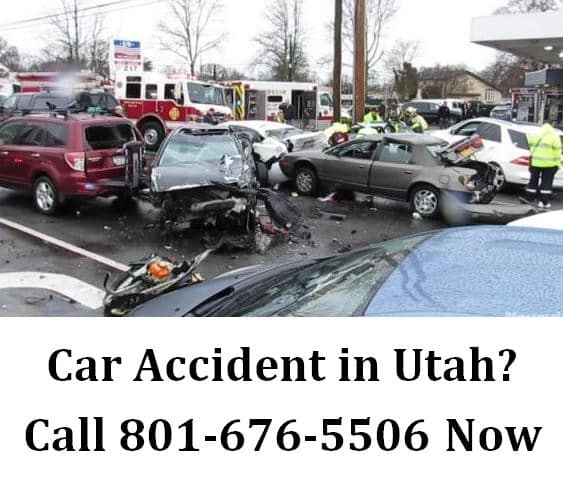
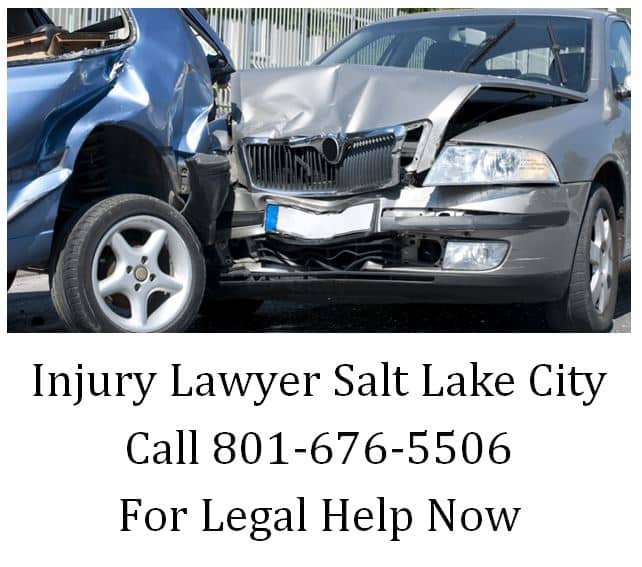
Car makers have decades of experience in tempting people with features they don’t really need. Today, however, with electronic dashboard options multiplying, it isn’t merely a matter of paying too much. Given the risk of distracted driving, the opinion of this car accident lawyer is that having too much technology puts everyone on the road at risk of serious or even fatal injuries.
Fatal Car Crashes in Utah Still Frequent

Dashboard Danger: Feds May Create Guidelines on In-Car Devices

This is why federal safety regulators are considering the creation of guidelines to place restrictions on the use of technological devices that are built right into the vehicle. To prevent car accidents and truck accidents, the dashboard should a place to focus on driving, not infotainment.

To be sure, distracted driving can occur with older technology as well. Fiddling with the radio or looking down momentarily to change a CD can take a driver’s eyes off the road long enough to cause an accident.

But the sheer ubiquity of devices available now has multiplied the dangers of distraction. The devices include a host of mobile devices for texting, Web-browsing, cellphone calls, and so on. There are also increasingly many new devices built right into the vehicles themselves, such as voice-activated systems for navigation controls.

Just because such devices are hands-free does not make them safe. Research has repeatedly shown that even if a driver has his or her hands free, cognitive overload can occur when there are too many technological stimuli to keep track of.

When the mind gets overwhelmed by too much data, it becomes no longer possible to focus properly on driving safely.

Ray LaHood, the U.S. Secretary of Transportation, has been meeting with executives from the car industry to discuss what can be done to design cars more safety in the Internet age.

Fatal Car Crashes Frequent Despite Recent Decline

It’s true that the number of fatal car accidents has declined in recent years. But there are still far too many Utahns who lose their lives on the road due to others’ negligence.

In Utah and in nine other states, more people were killed by firearms than in motor vehicle accidents in 2009.

In 2009, the number of gun deaths in Utah was 260. This exceeded the 256 people who died in automobile accidents was 256. The statistics were released by the Violence Policy Center, which compiled them from data available from the federal Centers for Disease Control and Prevention.

The 2009 statistics for fatal car accidents showed the continuation of a trend in recent years toward fewer deadly crashes. In Utah, the number declined from 322 in 2007 to 306 in 2008 – and down to 256 in 2009.

The trend also continued in the last two years. In 2010, the Utah Department of Transportation reported 253 accident deaths. In 2011, the number went down again, to 233.

The Utah State Patrol says that public awareness efforts by numerous agencies and advocacy groups have helped bring about the decrease in deaths.

It needs to be pointed out, however, that over 200 people losing their lives on the road in one year in a relatively small state is still a lot of deaths. There is still considerable work to do to make driving safer in Utah.

Distracted driving, for example, is a serious problem in Utah, just as it is in the rest of the country. But shiny new digital devices are only part of the problem. Defective cars, excessive speed and other factors also cause many accidents.

Free Initial Consultation with a Car Accident Lawyer

It’s not a matter of if, it’s a matter of when. Legal problems come to everyone. Whether it’s your son who gets in a car wreck, your uncle who loses his job and needs to file for bankruptcy, your sister’s brother who’s getting divorced, or a grandparent that passes away without a will -all of us have legal issues and questions that arise. So when you have a law question, call Ascent Law for your free consultation (801) 676-5506. We want to help you!

Michael R. Anderson, JD

Ascent Law LLC
8833 S. Redwood Road, Suite C
West Jordan, Utah
84088 United States

Telephone: (801) 676-5506

More Utah divorce cases may be caused by cheating wives

While there are many reasons for couples to seek a divorce and hire a divorce lawyer, infidelity is one that often results in strong emotions and acrimonious proceedings. Traditionally, men have always been more likely to pursue extramarital affairs, but women are now beginning to gain on men when it comes to cheating. This is because women in Utah and across the country are more financially independent and less concerned about the financial consequences of divorce if they are caught cheating.

More Utah divorce cases may be caused by cheating wives

A recent survey from the National Opinion Research Center reveals that cheating by wives has increased around 40 percent during the past two decades. In 2010, 14.7 percent of wives admitted to cheating. Of the husbands surveyed, 21 percent confessed to cheating, a figure that has remained steady over the years.

There has been a rise in divorce cases caused by the wife’s infidelity. This may be indicative of a cultural change in our society that enables women to join the workforce and earn their own income. Additionally, the rise of social media use has contributed to the start of many affairs. Despite this increase, husbands are still more apt to commit adultery, with 25 percent of those who cheat claiming to be unhappily married.

Utah couples who seek a divorce typically desire as single individuals to maintain the standard of living that they enjoyed during their marriage. However, infidelity is rarely a factor when it comes to asset division and spousal support because our state has a no-fault approach to divorce. It may be in each spouse’s best interest to seek legal advice during the divorce proceedings in order to ensure a fair settlement.

Utah Grandparents’ Rights for Visitation After a Divorce

While it is not always discussed, the visitation rights that must be considered in the wake of a divorce can include more than those of the divorcing parents. In some situations, visitation rights for grandparents also become an issue – and, occasionally, litigation ensues as a result.

Grandparents are becoming increasingly involved financially in their grandchildren’s lives, as the recession led to financial difficulties for many young families. According to the AARP, one-quarter of American grandparents spend over $1,000 each year on their grandchildren. Even more surprising, 37 percent of the grandparents surveyed indicated they helped pay for the expenses associated with daily life.

Despite the increased financial involvement of American grandparents, their visitation rights after a divorce have become somewhat diminished nationwide, following a 2000 U.S. Supreme Court case. The high court struck down a law from Washington state that permitted any third party, including grandparents, to ask state courts for visitation rights, even if the parents objected.

Although this ruling led many states to abolish their grandparents’ visitation rights laws, Utah grandparents still have certain rights to see their grandchildren after the parents obtain a divorce.

Rights of Utah Grandparents

Utah laws provide that grandparents can file a cause of action to obtain visitation rights when a divorce or “other proceeding involving custody and visitation issues” is pending.

Courts start with the presumption that the decision made by the parents with regard to the grandparent’s rights to visitation is in the child’s best interest. If the grandparent is able to prove certain other factors to rebut the presumption, the court may award them visitation rights, though. Some of those factors include whether the parent is “unfit or incompetent,” or the grandparent “acted as the grandchild’s custodian or caregiver, or otherwise has had a substantial relationship with the grandchild, and the loss or cessation of that relationship is likely to cause harm to the grandchild.”

Determining visitation rights after a divorce is difficult for everyone involved. Consulting with a skilled family law attorney can ensure each party’s voice is heard.

Free Consultation with Divorce Lawyer

If you have a question about divorce law or if you need to start or defend against a divorce case in Utah call Ascent Law at (801) 676-5506. We will help you.

Michael R. Anderson, JD

Ascent Law LLC
8833 S. Redwood Road, Suite C
West Jordan, Utah
84088 United States

Telephone: (801) 676-5506

Saturday, 3 March 2018

How Investors Can Protect Themselves

Financial advisers help manage more than $30 trillion of investible assets and provide services to fifty-six percent of U.S. households. That’s why at Ascent Law, we want to help you protect what is yours, not just while you are alive, but after you are gone, to help you leave a legacy.

Yet the Securities and Exchange Commission reports that most Americans don’t conduct a broker background check, while those who do rely on search engine results.

Failure to perform a comprehensive background check can be costly. The median settlement paid to consumers is $40,000—nearly 60% of the average household’s net worth. One-quarter of settlements exceed $120,000. Over a recent two-year period, financial industry misconduct settlements totaled $974 million.

How Investors Can Protect Themselves

The FINRA Broker Check database (the same database used by the study authors) is a free, easy way for customers to run an advisor background check. Checks can be performed using an adviser’s name, or their unique CRD number.

Should You Trust Your Financial Adviser?

Widespread financial adviser misconduct costs investors hundreds of millions of dollars per year, new research shows.

The first ever large-scale study of misconduct by financials advisers and financial advisory firms finds that bad behavior tends to cluster around repeat offenders at an individual and an organizational level, with many advisers who get fired for misconduct landing at large firms with high misconduct rates. This concentration, the authors suggest, is not the result of random mistakes, but of firms targeting vulnerable customers.

KEY FINDINGS FROM FINRA DATABASE ANALYSIS

Researchers from the University of Minnesota, the University of Chicago, and Stanford collaborated on an economy-wide analysis of financial adviser misconduct in the United States in order to document the extent of unscrupulous behavior in an industry that many Americans rely upon, but few trust.

Trusting one’s financial advisor is crucial, they argue, because stockbrokers are experts relative to investors, making it difficult for customers to gauge the level of services and creating the potential for abuse. Financial advisers consistently rank among the least trustworthy professionals, surveys reveal.

Mistrust of brokers seems to be justified, according to “The Market for Financial Adviser Misconduct,” which found that misconduct is an industry-wide problem.

“It’s everywhere, not just small firms. It is pervasive,” said study co-author Amit Seru.

But while misconduct is widespread, it is not spread equally across the industry. Several of the largest financial advisory firms displayed a pattern of misconduct against financially unknowledgeable customers. “Such firms are more tolerant of misconduct, hiring advisers with unscrupulous records,” the researchers write.

Conversely, firms with a low tolerance for misconduct use their clean records to attract knowledgeable customers.

Other key findings from the study include:

  • About 7% of financial advisers have records of misconduct.
  • At some large brokerages, more than 15% of advisers have misconduct records.
  • Misconduct is concentrated in financial firms with retail customers and in counties with low education, elderly populations, and high incomes (including areas like Palm Beach, Florida, where 18% of advisers had misconduct records).
  • Prior offenders are five times more likely than the average adviser to engage in misconduct.
  • Roughly 50% of advisers are fired as a result of misconduct; of these, 44% are reemployed in finance within a year.
  • Nearly 3 in 4 financial advisers disciplined for misconduct are still active after a year.
  • Firms that hire past offenders tend to have higher rates of misconduct.
  • Oppenheimer & Co., First Allied Securities, Wells Fargo, UBS Financial Services, and Cetera Advisors are among the financial firms consistently engaging in misconduct.
  • Brokerages with the lowest misconduct rates include Morgan Stanley, Goldman Sachs, BNP Paribas, SunTrust Robinson Humphrey, and BlackRock Investments.

To count as misconduct, disputes must have settled (not be dismissed or pending). Misconduct includes activities such as recommending unsuitable investment products, misrepresentation, omission of key facts, recommending risky investments, unauthorized activity, negligence, fraud, and breach of fiduciary duty.

True financial misconduct levels are likely higher than the study estimates, according to the researchers.

Free Initial Consultation with a Securities Lawyer

When you need legal help, please call Ascent Law for your free consultation (801) 676-5506. We want to help you.

Michael R. Anderson, JD

Ascent Law LLC
8833 S. Redwood Road, Suite C
West Jordan, Utah
84088 United States

Telephone: (801) 676-5506

Reclaim Your Financial Freedom

Whether you’re struggling with credit cards, medical bills, or an unpaid mortgage, mounting debt can quickly spiral out of control, often triggering home foreclosure, car repossession, and creditor harassment. And once you’re overwhelmed with unpaid debt, it can be difficult—or even impossible—to get back on the path to financial freedom.

Reclaim Your Financial Freedom

Many Americans suffer needlessly, or spend their money on credit counseling services with the hope that it will help solve their financial woes. When struggling to pay bills and satisfy their creditors, most people overlook what is often the quickest and most effective solution: bankruptcy. Seriously. If you haven’t already spoken with a bankruptcy lawyer, you should call Ascent Law right away.

Taking steps to starting fresh

Americans are racking up thousands of dollars in debt just to make ends meet – if this situation sounds familiar, it may be time to stop fighting the inevitable and start looking for a way out.

Contrary to popular belief, this process doesn’t have to be painful or embarrassing. With the proper guidance, it’s the simplest way to get back on your feet and take back your life. If you’re tired of being harassed by creditors, and if constant worry and financial pressure are affecting the quality of your life, the path to stability and peace of mind could begin with bankruptcy.

Bankruptcy for Small Businesses

Throughout American history, innovation, the will to succeed and the willingness to take risks has defined entrepreneurs. These are the individuals who built our country and our economy. Every business has a story to tell, and all too many of those stories involve being bested by the innumerable challenges and uncertainties that business owners face on a daily basis. And so, knowing how to deal with an unsuccessful venture is just as important as knowing how to manage the growth of a successful one.

A recent University of Nevada study showed that 14% of those who file bankruptcy did so due to an unsuccessful small business venture. Property magnate Donald Trump is a good example of how filing for bankruptcy can be an excellent strategy in the face of a failing business venture to restructure finances, innovate a solution, and chart a new path to prosperity.

Bankruptcy provides structured methods to deal with personal and business debt. Many small businesses are unincorporated, so the entrepreneurs and sole proprietors of these ventures are eligible for filing certain chapters of bankruptcy that larger incorporated organizations are not. Many times, business owners sign as personal guarantors for their commercial and personal debt, so they become eligible to file for either personal bankruptcy option; Chapter 7 or Chapter 13.

Options

Chapter 7 bankruptcy is likely the option to select should you decide to halt your business operations – any nonexempt equipment and other assets would be liquidated and used to pay off your creditors. The upside is, it’s a safe way to get a clean slate and let go of a business that’s on a collision course.

Chapter 13 bankruptcy can help a struggling business by allowing business owners to file bankruptcy and maintain possession of critical business assets while complying with a consolidated and reduced payment plan over the course of 3-5 years. At the end of the payment term, any applicable remaining debts are wiped away, or “discharged.”

Chapter 11 bankruptcy is a more complex solution for larger businesses dealing with massive amounts of debt. It’s best to speak with an experienced bankruptcy attorney to determine which Chapter is right for you.

This is just a small introduction to dealing with business debt. The bankruptcy process is complex, and even more so when a business becomes involved. It’s important to meet with a bankruptcy attorney to drill down into the specifics of your situation in order to tailor a solution that meets your needs and the realistic goals of your business.

Free Consultation with a Bankruptcy Lawyer

If you have a bankruptcy question, or need to file a bankruptcy case, call Ascent Law now at (801) 676-5506. Attorneys in our office have filed over a thousand cases. We can help you now. Come in or call in for your free initial consultation.

Michael R. Anderson, JD

Ascent Law LLC
8833 S. Redwood Road, Suite C
West Jordan, Utah
84088 United States

Telephone: (801) 676-5506

Friday, 2 March 2018

Is filing bankruptcy better than just not paying your creditors back?

Many people feel really bad about the decision to file for bankruptcy, and there are a number of situations in which bankruptcy is not the right solution.  The first thing you should do is call a bankruptcy lawyer who can give you some advice. At Ascent Law, we’ll give you a free consultation. However, you should know, in many instances the people who feel bad cannot, despite their absolute best efforts, payoff the debts that they owe.  In such situations, is it better to just not pay your bills or is a more ethical to file for bankruptcy?

Is filing bankruptcy better than just not paying your creditors back

There are many reasons why filing bankruptcy is much more ethical than just not paying your debts back.  What lease there is a strong argument.  When you declare bankruptcy you need to disclose all of your debts and all of your assets to all of your creditors, a trustee and the judge.  All of these people can examine what you have to see if you are living a life of luxury or there is any way for you to pay off your debts.  You are only allowed to keep those things which are considered by law, meeting as determined by Congress and the Legislature’s of each State and the judges, the essentials of life and of aiding back on your feet so that you can become a productive member of society in the future (which makes all of society benefit).  Only after this detailed scrutiny, which has been worked out in the course of literally millions of cases across the United States over literally hundreds of years, are you allowed the protections afforded by bankruptcy.  So, in reality the person who files for bankruptcy has qualified themselves, as long as they have been honest in all their dealings and disclosures and has hired a qualified attorney competent in either Chapter 7 bankruptcy or chapter 13 bankruptcy, as a non-did beat, as a person down on their lack and looking to rejoin the productive members of society, protect their health, get their books (and the books of the creditors) cleaned up and move forward with a fresh start.  This is what society wants.  This is what the law and the Constitution allow.  This is the outcome that the Bible originally caused to be set up.

Now contrast this with the person who just doesn’t pay their bills, and does not go forward with cleaning them up through methods such as bankruptcy.  This person has not shown the standard of living they maintain and subjected it to scrutiny.  This person may or may not be living a life of lecture he, that there is no way for a creditor or any other person who has a legitimate, honest interest in finding out the answer other than by their bringing a lawsuit (which has a lot of expense in society) and conducting discovery in that lawsuit, or garnishing wages were doing a Bunch of collection calls, all of which have enormous expense your it moreover this person is not doing that which is available to help protect their health, get them back on her feet and the assigned task for continued health the contributions in society.

Free Consultation with Bankruptcy Lawyer

If you have a bankruptcy question, or need to file a bankruptcy case, call Ascent Law now at (801) 676-5506. Attorneys in our office have filed over a thousand cases. We can help you now. Come in or call in for your free initial consultation.

Michael R. Anderson, JD

Ascent Law LLC
8833 S. Redwood Road, Suite C
West Jordan, Utah
84088 United States

Telephone: (801) 676-5506

Distracted Driving

Distracted driving might not seem like that big of a deal until you get into a car accident and severely hurt yourself or someone else. I’ve seen it as a Car Accident Lawyer.  While there are all types of reasons to get distracted while driving, here are three categories of distracted driving you should be aware of.

Distracted Driving

Visual Distractions

This type of distracted driving involves taking your eyes off of the road.  Even for a few seconds. These include

– Checking the kid’s seatbelts
– Looking down at a mobile phone
– Fiddling with a GPS tracker
– Changing DVDs, CDs or the radio

While all of these situations above are considered strictly visual, mobile phone use and texting also carries over into manual and cognitive distractions.

Texting and driving is becoming a nuisance across the globe, especially in the US.  According to statistics, around 660,000 drivers per day are driving and attempting to look down or text while driving.

Some cell phone statistics:

– One out of every four car accidents that happens in the US is because of texting and driving.

– Over 330,000 accidents a year are caused by driving and texting.

– 94% of drivers are FOR an overall ban of texting while driving and 74% are FOR banning any use of hand-held phones while driving.

– At least 11 teenagers die every day because of texting and driving.

Manual Distractions

This type of distracted driving deals involves person someone removing their hands from the wheel for any particular reason.

– Eating or Drinking while driving
– Getting something out of their wallet or purse
– Adjusting their briefcase in the other seat
– Putting makeup on
– *Looking down at your phone or texting
– Getting dressed in the car – yes it does happen!

Let’s be clear here.  When you get into a car, you shouldn’t be doing anything but driving and while it would be nice to know everyone else is following the same rules, they probably won’t be.   Eating or putting on makeup should be done before getting into or after getting out of the car and yet so many people do it.

– In 2013 alone, over 3,000 people were killed due to distracted driving

– Also in 2013, 10% of all of the accidents that happened was because of distracted driving of a driver between the ages of 16 and 19.

Cognitive Distractions

A cognitive distraction is one that happens when your mind is not focused on the task at hand.  Whether it’s driving, turning, stopping at a stop sign, or anything that requires your full attention.  A cognitive distraction can happen if:

– Someone else in the car is talking to you
– Your phone is ringing
– *Texting
– Daydreaming
– Even having the radio up too loud can be considered a cognitive distraction

Make it a rule that if someone drives with you, they have to let you concentrate on the road.  Always make sure you keep your music off or at a low level.  Also turn your ringer off while in the car so you can concentrate better.  Lastly, make sure that if you are traveling someplace new and using a GPS that you set it up before you take off in your car.

Free Initial Consultation with a Utah Accident Lawyer

f you’ve been injured in a car accident, call Ascent Law for your free consultation (801) 676-5506. We want to help you.

Michael R. Anderson, JD

Ascent Law LLC
8833 S. Redwood Road, Suite C
West Jordan, Utah
84088 United States

Telephone: (801) 676-5506

Thursday, 1 March 2018

Car Accident Cases Going to Trial require a Trial Lawyer

When it comes to an auto accident, most of these claims are settled outside of court. However, if all of the attempts that you put forth fail in resolving your claim, your case will most likely go to trial and you will need a trial lawyer to help you along, not only with the case itself, but with the court trial itself. Below, we talk about what a trial is and why hiring a lawyer is so important.

Car Accident Cases Going to Trial require a Trial Lawyer

What Is A Trial?

A trial is a culmination of proceedings in a personal injury case. During the trial, both parties will be given a chance to present evidence to the court. Once this type of process is finished, the court and the judge will come up with a final decision as to who is in the fault and who is not. Your trial lawyer can better guide you on exactly how the state of Utah and a trial concerning car accidents works.

Car accidents will usually be tried one of two ways;

1- You may be tried to a judge – this is called a bench trial.

2- You may be tried to a jury – this is called a jury trial.

What Type Of Evidence Will Be Presented?

During a trial both the defendant and the plaintiff will be allowed to provide evidence. The evidence can include anything in written form such as police reports, eye witnesses that saw the accident happen, etc. The plaintiff is also allowed to present medical bills and records as well such as treatment from Doctors, medical bills, damages done to you or your car and records of injuries noted by a Doctor. Your trial lawyer can actually be helpful in getting the proper forms and evidence together so that you know exactly what to present to the judge or to the court. There’s nothing worse than having no idea how to handle a case like this, only to have it thrown out (or lose) because you weren’t prepared beforehand. That is why a trial lawyer can be so helpful in cases like these.

Jury Deliberation

If the case is a jury trial, at the end of the evidence and statements, the jury will deliberate and make a decision as to if you are or are not responsible for the accident. On the other hand, if your case is a bench trial, the judge will present the role of a jury, view the evidence of both parties and come up with a final decision.

Appealing The Verdict

More often than not if you go to trial and you were not at fault, but you have a trial lawyer you will be represented properly, which also usually means you will win the case. However, if you chose not to hire a trial lawyer or if you lost the trial, you are allowed to appeal the judgment. However, this can be costly and can take even more time. Once the case has a final judgment, that’s it. You cannot go back and try the case again. This is another reason why it’s so important to have proper representation and hire a trial lawyer before the court trial even begins. Hiring a trial lawyer also gives him or her enough time to make sure that all of the information and evidence was collected properly so that you have a better chance at winning your case.

Free Initial Consultation with Lawyer

It’s not a matter of if, it’s a matter of when. Legal problems come to everyone. Whether it’s your son who gets in a car wreck, your uncle who loses his job and needs to file for bankruptcy, your sister’s brother who’s getting divorced, or a grandparent that passes away without a will -all of us have legal issues and questions that arise. So when you have a law question, call Ascent Law for your free consultation (801) 676-5506. We want to help you!

Michael R. Anderson, JD

Ascent Law LLC
8833 S. Redwood Road, Suite C
West Jordan, Utah
84088 United States

Telephone: (801) 676-5506